Finding a place to live that you can actually afford is tough! Especially when you’re on a tight budget. Affordable housing apartments are designed to help, but figuring out how you pay for them can be confusing. One question people often have is, “Can you use food stamps as a source of income for affordable housing apartments?” Let’s dive into this and clear up some of the confusion.
What Counts as Income for Affordable Housing?
So, what exactly *is* considered “income” when you’re applying for an affordable housing apartment? This is super important because it determines whether you’re eligible and how much rent you’ll pay. Generally, income is anything that brings money into your household regularly. This can include a lot of things.
Think about your job. The money you earn from working is definitely income. Social Security benefits, if you receive them, are also income. Alimony payments, child support, and even money from a pension would count, too. The goal is to get a clear picture of how much money you have coming in each month so they can accurately assess your situation. It’s important to keep track of all income sources and be prepared to provide proof when applying.
Another income source is unemployment benefits. Receiving these payments is a common way to help people get by, but like all income, it has to be reported. Even small things, like gifts, have to be considered in your budget. The definition of “income” can vary a little depending on the specific affordable housing program, so always check the rules for the apartment you’re interested in to be sure.
Because these rules can get complex, it’s a good idea to ask the housing authority directly about what types of income they accept.
- This will help you prevent problems.
- You’ll know you’re following the rules.
- You can make informed decisions!
Can Food Stamps (SNAP) Be Used Directly as “Income”?
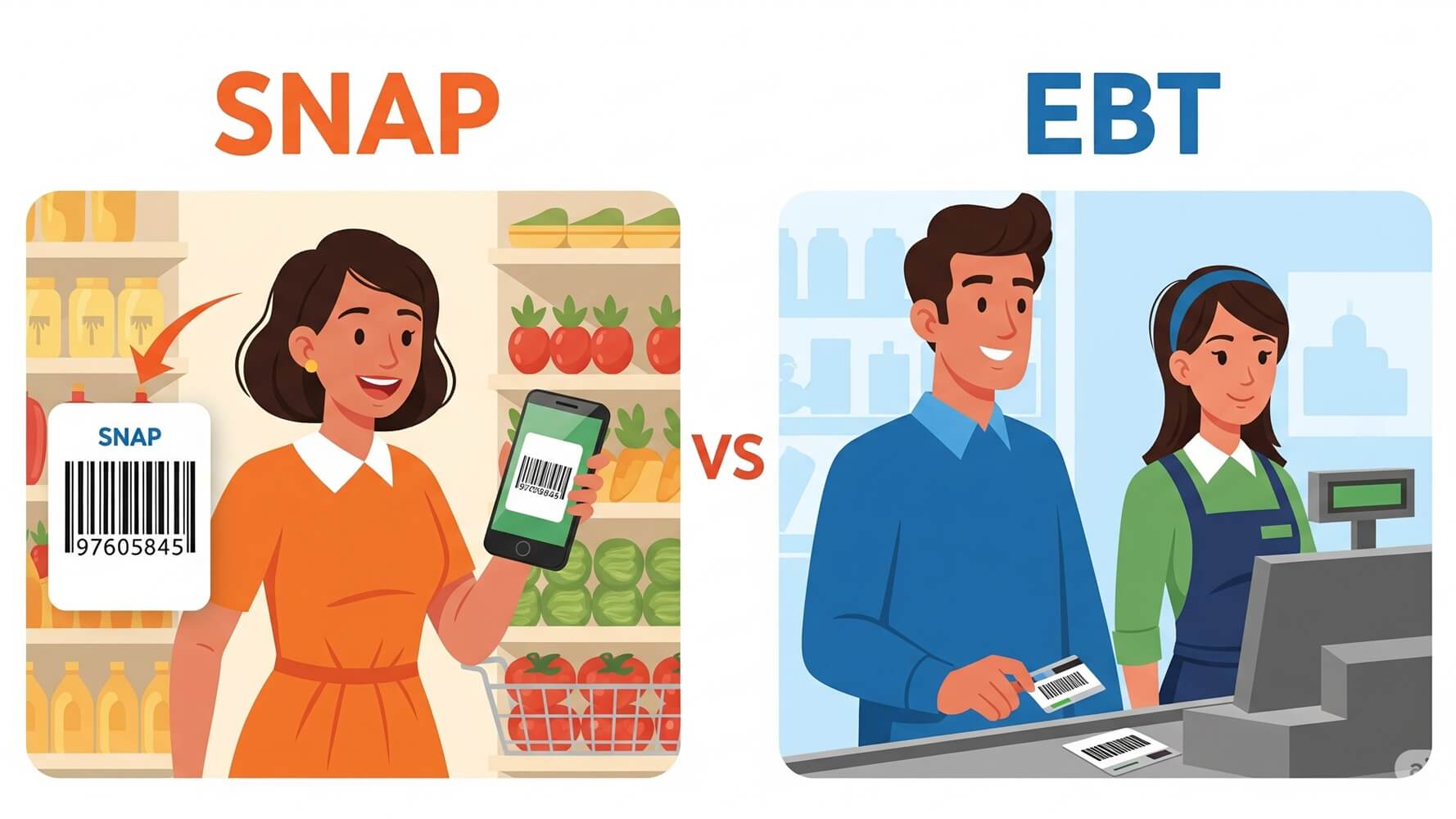
No, food stamps (also known as SNAP benefits) are generally not considered a direct source of income when determining eligibility or calculating rent for affordable housing. They are designed for food, and they are not counted as an income source for housing. Think of it this way: SNAP helps you buy groceries, but it doesn’t give you money that you can use to pay rent.
The purpose of SNAP is to increase food security for low-income individuals and families, not to provide funds for housing expenses. It’s about ensuring that everyone can have enough to eat. The regulations surrounding how SNAP is used are very specific and designed to ensure that these funds are used for their intended purpose: food. It is important to remember this when preparing your application.
This is why housing authorities don’t include SNAP benefits as “income.” They use the money you *do* get, like wages from your job or Social Security checks, to figure out if you’re eligible and how much rent you’ll owe. Knowing this can help you plan and present the right information when you apply.
However, while SNAP itself isn’t considered income, your overall financial situation, including the fact that you receive SNAP, can impact how much you need to spend on food, and thus, how much money you have left to pay rent.
- SNAP frees up money.
- SNAP can help with other expenses.
- SNAP helps you save money.
How Housing Authorities Verify Income
When you apply for affordable housing, the housing authority will need to verify your income to make sure you qualify. This usually involves providing documentation that proves how much money you get. It is very important to be honest and provide accurate information. They will be verifying all of it to make sure everything is on the up and up.
For example, if you work, they might ask for pay stubs. If you receive Social Security, they might ask for an award letter. They will look at these documents to confirm the income you report on your application. There are a lot of official documents they might need, so it is important to be prepared.
Housing authorities can also use other methods to verify income, such as contacting your employer or checking with government agencies. This helps ensure that the information you provide is accurate and up-to-date. Providing false information can have serious consequences. Be honest with them, and you will be just fine!
Verifying income is a key step in the application process.
| Documentation | Source |
|---|---|
| Pay Stubs | Employer |
| Benefit Letters | Social Security/Government |
| Tax Returns | IRS |
What About Other Financial Assistance Programs?
There are many different financial assistance programs out there to help people with their basic needs. Besides SNAP, other programs can help with housing costs. These programs can include things like temporary assistance for needy families (TANF) or other state-run programs. Some of these might be used to show your financial situation.
While not *directly* considered income for rent calculation, programs like TANF can impact your overall financial situation. Housing authorities need to look at the whole picture to see what you can afford. This is why providing accurate financial information is important. Remember, all the information must be factual.
Other resources, like rental assistance programs, can also help. These programs can help you afford housing, either with direct payments to landlords or by providing vouchers that can be used for rent. These can make a big difference for people struggling to find affordable housing. These options can be explored when looking at income.
If you have any questions, contact the housing authority.
- This helps with understanding.
- You will have more information.
- You can get better prepared.
- This can help you be approved faster.
Impact of Income on Rent in Affordable Housing
In affordable housing, your rent is usually calculated based on your income. It’s designed to make sure that people with lower incomes can find affordable housing. The higher your income, the more rent you’ll typically pay.
The amount of rent you pay will vary. This depends on your income and the specific rules of the housing program. It’s important to understand how your income affects your rent so you can budget effectively. Always be aware of what this means for you.
Some affordable housing programs have set rent amounts, while others use a percentage of your income to calculate your rent. Before you apply, look into how the rent is determined. This will help you understand the costs and what to expect. If you are unsure, then ask questions!
When the rent is calculated, things like SNAP benefits are often not taken into account.
- However, your income from other sources is used.
- This lets them offer you affordable housing.
- This creates financial stability.
Finding Affordable Housing Programs
There are a lot of different affordable housing programs. These can vary from place to place, so it is important to research your area. The programs have requirements and eligibility rules, which you must meet to apply. This will help you get started on the right track when you are looking for affordable housing.
One common program is the Housing Choice Voucher Program, also known as Section 8. This program provides vouchers that can be used to pay rent in a private apartment. There are other programs that are managed by local housing authorities. Finding these programs can make a huge difference.
You can research online. You can also look for housing authorities in your city. You can also look into your local community service organizations. These organizations often have lists and can assist you with the application process. Knowing what programs are available can greatly help.
The resources you can use include:
- Housing Authority Websites
- Community Organizations
- Online Housing Databases
- Government Websites
Tips for Applying for Affordable Housing
Applying for affordable housing can seem complex, but being prepared can make it less stressful. Be sure to gather all the necessary documents before you start the application process. Accurate documentation is key to a successful application. Be organized, and create a folder or digital file to keep everything together.
Read the application carefully and fill it out completely. Double-check all of the information to make sure it is correct. Leaving something out or providing inaccurate information can delay the process or even cause your application to be rejected. Always be sure the dates and all the other information is correct.
Keep copies of everything you submit and keep records of your communication with the housing authority. This is important in case there are any questions or issues later on. Always keep a record of the paperwork. It also shows you took the application process seriously.
Be patient! The waiting lists for affordable housing can be long.
| Tip | Reason |
|---|---|
| Organize Documents | To submit everything. |
| Be Thorough | To reduce errors. |
| Keep Records | In case you have problems. |
| Be Patient | Waiting lists are sometimes long. |
Conclusion
So, to recap, while food stamps (SNAP) aren’t counted as direct “income” for affordable housing rent calculations, they still impact your overall financial situation. Understanding how income is defined and what documentation is needed is key when applying for affordable housing. By gathering the right information, and asking questions when needed, you can increase your chances of finding an affordable and safe place to live.